


Oopsie,
this page is better viewed on desktop


As artificial intelligence becomes increasingly capable, conversations often focus on what machines might replace.
This series explores the opposite question: what remains uniquely human?
Created during a period of rapid advancement in AI and machine learning, these works reflect on a future in which the boundary between life and technology becomes increasingly indistinct. Yet rather than imagining a world where machines supersede humanity, they propose a different possibility: that technology is ultimately an expression of human nature itself.
Beneath every innovation lies a distinctly human impulse: the desire to understand, to create, to improve, to imagine. Technology may evolve in complexity, capability, and form, but it remains shaped by the same curiosity, ambition, creativity, and imperfection that brought it into existence.
The subjects in this series exist as a fusion of life and machine. Yet the presence of technology does not obscure who they are; it reveals it. Whether human or animal, each portrait suggests that identity transcends its physical vessel. Personality, instinct, memory, curiosity, and character persist beyond the mechanics that surround them, hinting that what defines a living being cannot be reduced to the material from which it is made.
These works imagine a future in which technology is not a substitute for humanity, but a continuation of it, a reminder that every machine ultimately reflects the people who create and use it. The more advanced the machine becomes, the more profoundly it reveals its human origins.


This project represents the culmination of my architectural education and remains one of the most significant works in my portfolio. Developed as my final year university project, it brought together years of design thinking, visual storytelling, world-building, and digital visualisation into a single body of work. While architecture is often perceived as a technical discipline, its core challenge lies in imagining and communicating futures that do not yet exist, a process that shares remarkable parallels with the contemporary AI-driven creative process.
Created prior to the emergence of AI image generation, this project was developed using a traditional visualisation workflow. The architecture was modelled in Rhino 3D, rendered in Blender, and brought to life through refining post-production in Adobe Photoshop.

The year is 2098, a new era for the Dutch authorities centuries long battle against the threat of rising sea levels reclaiming vast amounts of land deep within the country. The logistical strains of continued dike building have proven to be economically unviable whilst imposing a growing risk of failure, as construction is unable to meet adequate safety thresholds due to unprecedented rates of level rise in the North Sea.
Fleerakker's Arc aims to tackle the unfavourable farming conditions presented by flooded farmland by harnessing the primary cause of plant growth inhibition: salt. Accumulated as a byproduct of water and soil desalination, this resource is implemented in the permanent and temporary construction of the building, livestock farming and leisure activities.

As a modular, self-sustaining Cultivation Complex, the Arc is partially based on floating platforms enabling demand-based configuration, expansion and even relocation for relief in disaster affected areas. The building seeks to avoid technological influence on its operational means, striving towards purity and harmony in its quest to reinstate rudimentary agricultural production and involving the consumer as a stakeholder in all stages of production.
In the Cattle Quarters, Salt-Composite paneling provides continuous purified airflow into the building. Harvested from the Brine Containment Pool via crystallisation, salt is compressed into 95% pure cladding panels in combination with powdered river clay and cement fibres.


The Arc operates as a two-way assembly line, with products circulating via a rail guided transport system situated within the Brine Containment Walls. Adjacent to these tracks, the circulation corridor runs the whole length of the building, with the chicken coup's situated on the floor above. The Agriculture Pods are floating cultivation beds designed as a temporary solution to lost farmland.
They distribute cultivation space on multiple, alternating levels, to make use of vertical growing space whilst still allowing plenty of natural sunlight to penetrate to the lower levels. Heavily produced by the water desalination process, the retained brine is used as an artificial Dead Sea by visitors whilst natural crystallisation for sodium chloride harvesting takes place.


Bloomind is a creative studio dedicated to shaping how brands are seen, understood, and remembered. Working at the intersection of design, storytelling, and emerging technology, the studio develops standout visual campaigns, brand experiences, and digital content that translate ideas into compelling narratives.
Through continued research and experimentation with emerging models, Bloomind develops innovative workflows that enable faster execution and push the limits of creative freedom. From brand development and campaign creation to visual storytelling and content production, the studio helps businesses communicate their ideas through stories that audiences connect with and remember.


Birra Moretti is one of Italy's most iconic beer brands, a title they earned not just by promoting their great tasting product, but celebrating the rituals that surround it. Its motto, "Enjoy Life's Simple Pleasures", is an ode to a distinctly Italian way of life centred around sunshine, good food, and time shared with family and friends. This highly recognisable brand identity informed the creation of this marketing visual, promoting not simply a bottle of beer, but the values, atmosphere, and sense of togetherness it represents.


Polène has built its reputation through a distinctive blend of quiet luxury and exceptional craftsmanship. Drawing inspiration from contemporary sculpture and French design, the brand creates products that feel elegant, timeless, and understated. This visual was developed by translating those qualities into a single image, focusing on form, texture, and mood to capture the sense of refinement that has become synonymous with the Polène name, while introducing a more saturated, summer aesthetic to it.

The design of our surroundings subtly shapes how we think, feel, and live our lives. Your home is more than four walls; it's an extension of who you are and how you want to live. As people, we develop relationships with every space we visit, the significance of which heavily relies on the emotions, and thus memories, that we experienced there. The built environment is largely catered to human use and is designed with our needs, comforts and desires front of mind.
If asked to describe a home, most people would likely list the standard components of a house, distinguishing between rooms based on their practical functions such as living, cooking, or bathing. Ask them to describe their home, however, and the response is unlikely to focus on mere functionality. Instead, it becomes a story filled with memories, emotions, and personal experiences that give the space meaning far beyond its physical attributes.

FolkTale Property are a London based premium real estate agency whose carefully curated selection of properties are distinguished by their character, creativity, and strong sense of place. As self-described "specialists at selling soulful homes", they don't just sell four walls with a roof over them, they sell stories.
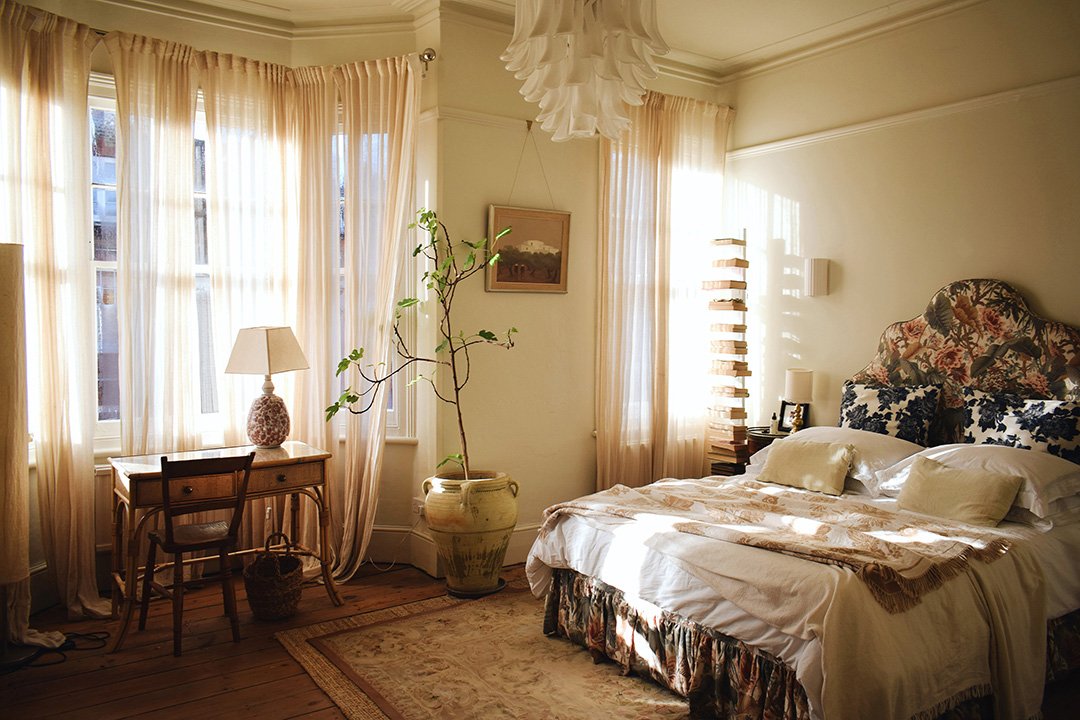
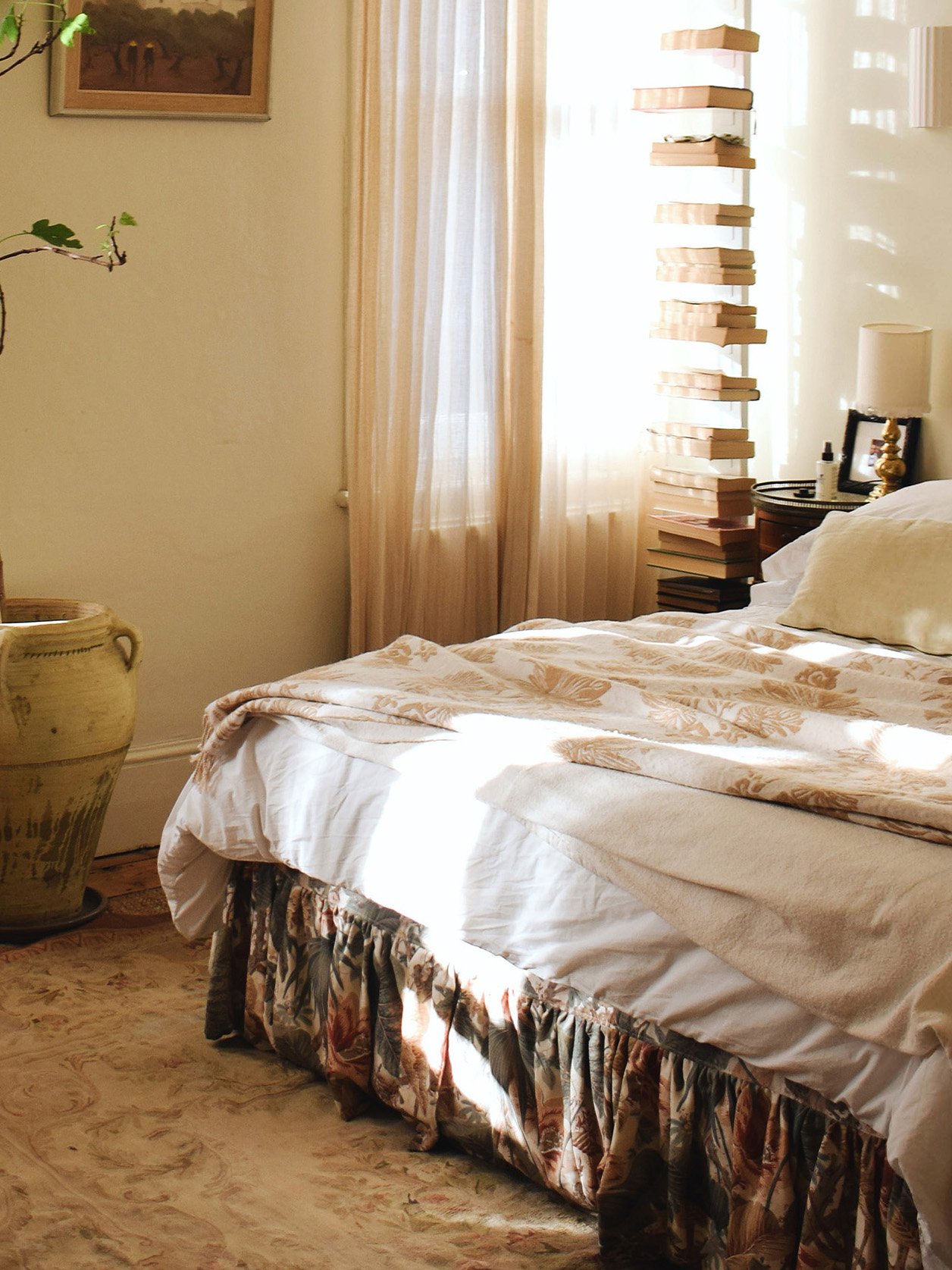

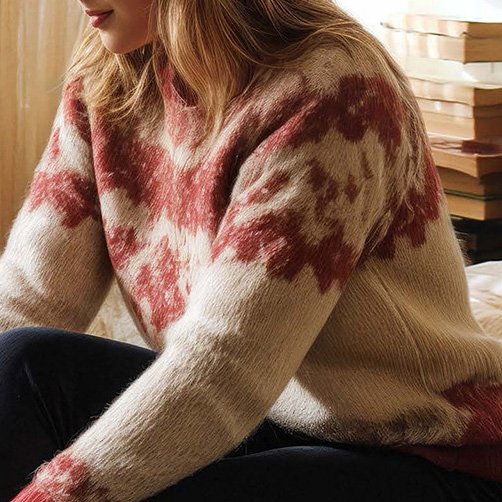
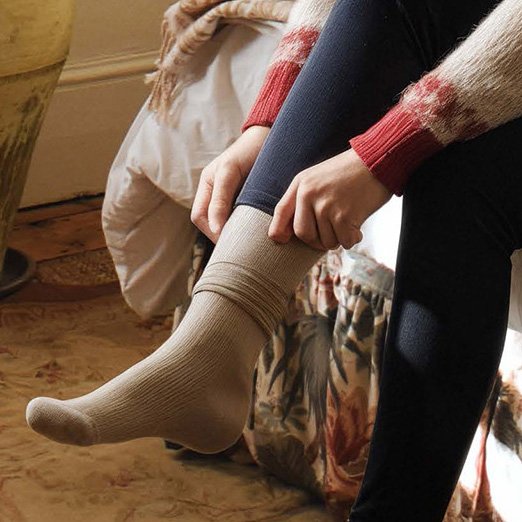
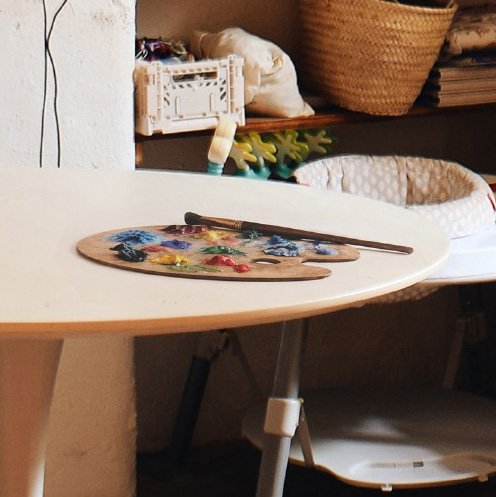


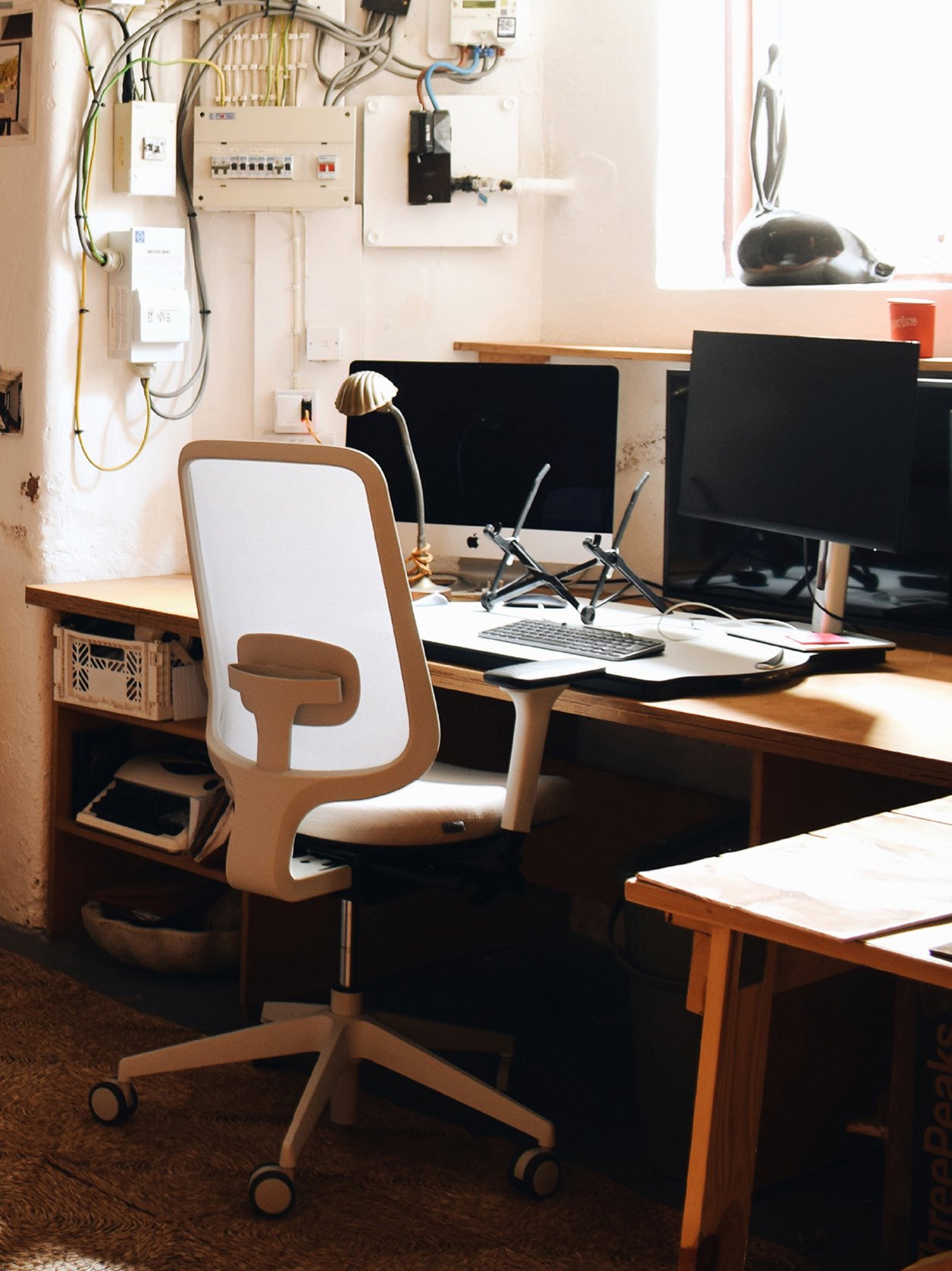
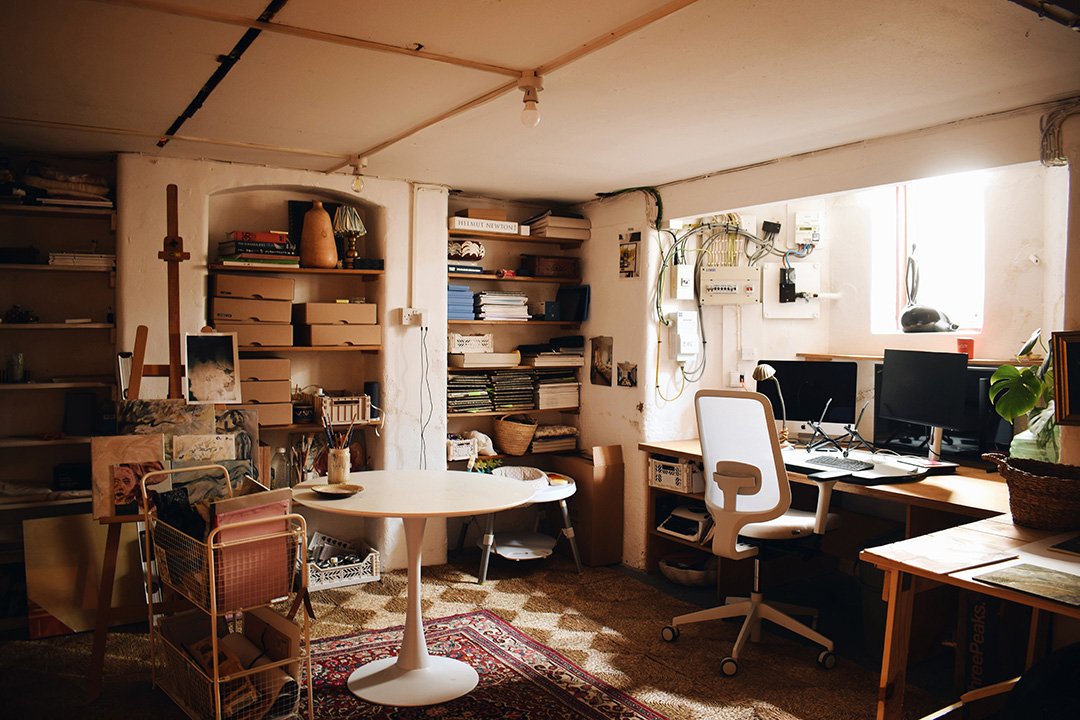
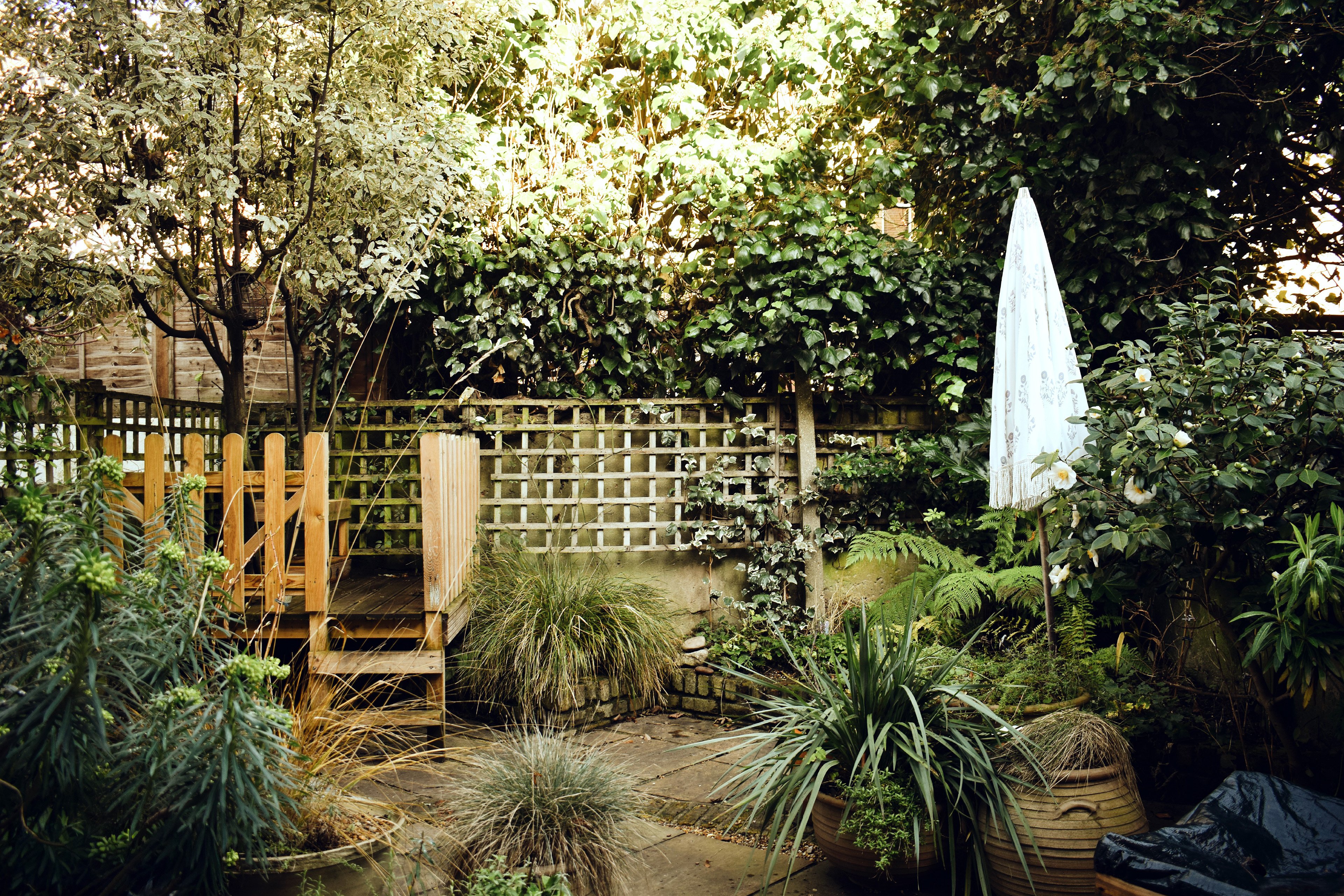
Digital models were incorporated into key spaces throughout the home, capturing moments that reflect the owners' relationship with the property and the memories created there. These scenes present the full story of the building, introducing to potential buyers not just the home itself, but the life that could unfold within it.
PharmaFind is a digital platform designed to eliminate the uncertainty and inefficiency of locating medication by providing real-time visibility of pharmacy stock. It allows users to search for both prescription and over-the-counter medicines, compare availability across nearby pharmacies, and evaluate options based on distance and price. The app also enables users to reserve medication in advance, ensuring it is secured before they travel to collect it. By bridging the information gap between patients and pharmacies, PharmaFind reduces unnecessary journeys, saves time, and improves access to essential medication through a more transparent and user-centric system.
Despite significant investment in digital healthcare infrastructure, a critical gap remains between prescription issuance and medication collection. While prescriptions can be transmitted electronically through NHS systems, patients often have limited visibility into whether medication is available or ready for collection, creating uncertainty at the final stage of the journey.
Research identified that the primary friction was not prescription transmission itself, but the lack of confidence patients have before travelling to a pharmacy. The UK's dispensing ecosystem is highly fragmented across national chains, supermarket pharmacies, and independent providers, each offering different levels of digital functionality and stock transparency. This often leaves patients relying on phone calls, multiple pharmacy visits, or trial-and-error to secure essential medication.
The project therefore explored how greater transparency and coordination could improve the collection experience for both patients and pharmacy staff. The central hypothesis was that providing reliable availability information and clear confirmation before travel could reduce unnecessary journeys, improve patient confidence, and streamline communication between all parties involved.
These insights informed three core opportunity areas: improving visibility of medication availability, creating a reservation workflow that aligns with pharmacy operations, and establishing clear confirmation timelines that set realistic expectations for collection. Together, these principles formed the foundation of the product experience and guided the definition of the MVP.
To maintain focus, the MVP was deliberately constrained to validating medication discovery and reservation confirmation, avoiding additional complexity such as prescription issuance, payment processing, delivery services, or NHS integrations. Strategic enhancements, including stock confidence indicators, reservation expiry logic, and recovery-focused failure states, were introduced to increase trust while remaining grounded in real-world operational constraints.

